
What is Iron Deficiency? What are the Nutritional Recommendations for Iron Deficiency?
What is Iron Deficiency?
Iron is an essential mineral for the human body and cannot be produced by the body, so it must be obtained through food. Its primary function is the production of hemoglobin, which is found in red blood cells and is responsible for carrying oxygen in the blood.
What are the Symptoms of Iron Deficiency?
Iron deficiency occurs when there is insufficient iron in the body, leading to various symptoms. These symptoms may include fatigue, paleness, dizziness, and a rapid heart rate. Iron deficiency can lead to anemia, which affects a person's quality of life.
Constant Fatigue and Energy Loss
Iron deficiency causes a constant feeling of fatigue and energy loss. When the body cannot receive enough oxygen, this results in weakness. Especially during physical activities, more fatigue is felt. Even simple tasks in daily life become more difficult, emphasizing the importance of iron deficiency symptoms.
Pale Skin
Iron deficiency can cause paleness. A healthy skin color is directly related to the body's iron levels. In cases of deficiency, it can lead to pallor, which may raise aesthetic concerns. This issue is not limited to the face; it can also be observed in other parts of the body.
Thinning Hair
Iron deficiency negatively affects hair health and leads to thinning hair. Insufficient iron intake weakens hair follicles, triggering hair loss. Hair becoming duller and finer is one of the symptoms of iron deficiency.
Brittle Nails
Iron deficiency also negatively affects the health of nails. Brittle and easily cracked nails are an indication of this mineral deficiency. Healthy nails are formed with sufficient nutrient intake. Iron plays an important role in maintaining strong and healthy nails.
Quick Fatigue
Iron deficiency causes individuals to tire quickly. After physical or mental activities, fatigue is felt more intensely. This condition is a result of iron deficiency anemia and can negatively affect performance. Quick fatigue is a symptom that lowers motivation in daily life.
Lightheadedness
Iron deficiency may cause a feeling of lightheadedness. This condition appears along with dizziness and a sense of imbalance. Insufficient iron intake affects brain functions, causing a mild state of dizziness. Such symptoms in the head should be considered as signs of health issues.
Loss of Balance
Iron deficiency can directly affect oxygen transport in the body, leading to insufficient oxygen reaching the brain and muscles. This can result in a loss of balance. Inadequate oxygen impairs the proper functioning of muscles and nerves, disrupting the individual's physical coordination. Loss of balance is often accompanied by dizziness and fatigue, increasing the risk of falls. In cases of advanced iron deficiency anemia, the body's ability to maintain balance is further weakened.
What Causes Iron Deficiency?
Iron deficiency occurs due to factors such as inadequate nutrition, the body's inability to efficiently utilize iron, and increased losses. Consuming foods that are low in iron is a major cause of this deficiency. Periods of rapid growth, pregnancy, and certain diseases can also increase the body's iron requirements.
What Can Iron Deficiency Lead to in Adults?
In adults, iron deficiency can lead to various issues, primarily iron deficiency anemia. Anemia presents with symptoms such as fatigue and weakness. In the long term, complications like heart palpitations and shortness of breath may develop. Therefore, early intervention is crucial when iron deficiency symptoms appear.
The Dangers of Iron Deficiency
Iron deficiency can lead to serious health problems, affecting an individual's quality of life. Inadequate iron intake can result in anemia and cause various complications. Fatigue, weakness, and mental issues may arise in individuals. If left untreated, it can also negatively affect heart health.
What Helps with Iron Deficiency?
Iron deficiency can be addressed with proper treatment and lifestyle changes. A variety of foods, supplements, and habits play a crucial role in increasing iron levels.
How to Treat Iron Deficiency?
Treating iron deficiency requires patience and consistency. With the guidance of a healthcare professional, the right treatment methods can help overcome the deficiency and restore overall health.
Consume Iron-Rich Foods
To address iron deficiency, it is important to consume iron-rich foods. Red meat, chicken, fish, eggs, legumes, leafy green vegetables, and dried fruits are all good sources of iron. Regularly incorporating these foods into your diet can help meet your body's iron needs.
Take Along with Vitamin C
To increase iron absorption, it is beneficial to consume iron-rich foods with vitamin C-rich foods. Vitamin C helps improve iron absorption in the intestines. For example, supporting iron intake with fruits like green peppers, oranges, and strawberries can be effective.
Use Iron Supplements
In some cases, iron deficiency may not be resolved with food alone. In such cases, iron supplements may be recommended by a doctor. Iron supplements can be an effective solution, especially for rapidly increasing iron levels.
Avoid Foods that Inhibit Iron Absorption
It is beneficial to avoid certain foods that can hinder iron absorption. For example, drinks like tea and coffee can reduce iron absorption. Additionally, calcium and certain medications may also negatively affect iron absorption.
Healthy Lifestyle
Maintaining a healthy lifestyle by engaging in regular exercise, managing stress, and getting enough sleep can enhance the body's resistance against iron deficiency and accelerate the treatment process.

Nutrition Tips for Iron Deficiency
Nutrition plays a crucial role in treating iron deficiency. Consuming iron-rich foods helps address the deficiency. Red meat, legumes, leafy green vegetables, and dried fruits are excellent sources of iron. Regularly incorporating these foods into your diet will increase your iron levels.
Iron-Rich Foods Include:
Iron-rich foods help meet the body's iron needs.
- Red Meat: Beef and lamb are high in iron content.
- Legumes: Beans, lentils, and chickpeas are rich in iron.
- Dried Fruits: Particularly raisins and figs are rich in iron.
- Eggs: Eggs are also a source of iron and should be included in the diet.
- Molasses and Tahini Halva: These foods are high in iron and should be consumed.
Red Meat
Red meat is one of the most important food sources for treating iron deficiency. Beef and lamb are rich in heme iron, which is a type of iron that is better absorbed by the body. Therefore, consuming red meat is important. To enhance iron absorption, it is beneficial to consume meat products with foods rich in vitamin C. The way red meat is cooked also affects its nutritional value, so it should be prepared healthily.
Legumes
Legumes are an excellent food source for iron deficiency. Regular consumption of beans, lentils, and chickpeas boosts iron intake. They are also rich in protein and fiber. Since they contain plant-based iron, their absorption can be enhanced when eaten with other foods. Incorporating legumes into meals should be a part of a healthy diet.
Dried Fruits
Dried fruits are a useful snack in the fight against iron deficiency. Raisins, figs, prunes, and apricots are particularly high in iron. These fruits are also rich in vitamins and minerals. It is recommended to consume them for breakfast or as a snack. Regular consumption of dried fruits can positively affect iron levels.
Eggs
Eggs are a beneficial food for iron deficiency. The egg yolk is a good source of iron and is effectively absorbed by the body. Eggs are also rich in protein, making them a nutritious option. They can easily be consumed for breakfast or in various dishes. Regular egg consumption contributes positively to iron levels.
Molasses and Tahini Halva
Molasses, especially grape molasses, is rich in iron. Tahini halva, made from sesame, is also an important source of iron. Regular consumption of these foods can help address iron deficiency. Additionally, combining molasses and tahini halva makes for a delicious snack option.
Oily Seeds
Oily seeds, such as hazelnuts, walnuts, and almonds, are iron-rich foods. These seeds play an important role in vegan and vegetarian diets. In addition to iron, they also contain healthy fats. It is recommended to consume oily seeds in salads or as snacks. To increase iron intake, these foods should be regularly added to the diet.
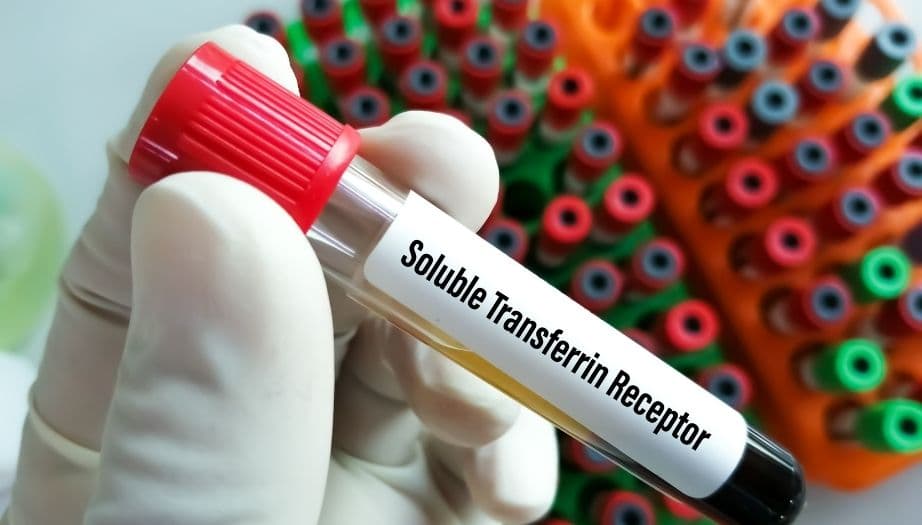
Diagnosis and Tests for Iron Deficiency
Iron deficiency is diagnosed through blood tests. These tests include measuring the iron level and ferritin levels. Iron level measurement indicates the amount of iron available in the body, while the ferritin test reveals the body's iron stores.
Iron Level Measurement
Iron level measurement is a key test in diagnosing iron deficiency. A blood sample is taken to analyze the amount of iron in the body. A result below normal values indicates iron deficiency. This test is usually conducted alongside other blood tests. Proper evaluation of the iron levels helps determine the treatment process.
Ferritin Test
The ferritin test shows the status of the body's iron stores. Ferritin is a protein that stores iron in the body; therefore, ferritin levels are important in assessing deficiency. High or low ferritin levels provide information about iron deficiency or excess.
Iron Deficiency Treatment and Prevention
Iron deficiency treatment is possible through adequate iron intake. Reviewing the diet and supporting it with iron supplements is essential for treatment. It is crucial to follow a doctor’s recommendations during the treatment process. Prevention of iron deficiency is possible through a healthy diet and regular check-ups.
When and How to Use Iron Supplements?
Iron supplements should be taken under the guidance of a doctor. They are typically recommended for individuals diagnosed with iron deficiency. It is suggested that supplements be taken after meals to minimize stomach discomfort. The dosage should be adjusted according to individual needs. To enhance their effectiveness, iron supplements should be consumed with vitamin C.
Health Issues Caused by Iron Deficiency
Iron deficiency can lead to various health problems. The most common issue is iron deficiency anemia, which prevents the body from carrying enough oxygen. Long-term iron deficiency can also lead to heart diseases and other complications.
Who is More Likely to Experience Iron Deficiency?
Iron deficiency tends to be more common in specific groups. Women, pregnant individuals, children, and adolescents are particularly at risk for this deficiency. Additionally, individuals following vegan and vegetarian diets, as well as those in lower economic situations, are also more susceptible. Women who menstruate are more likely to experience iron loss due to monthly blood loss.

Iron Deficiency and Its Psychological Effects
Iron deficiency can have a significant impact on mental health. Insufficient iron levels can lead to a decline in cognitive functions, manifesting as concentration difficulties and memory problems. Since it is also linked to fatigue and depression, maintaining proper iron intake is crucial for psychological well-being. Effective treatment can positively influence mental health.
Concentration Difficulties and Memory Problems
Iron deficiency can lead to issues such as concentration difficulties and memory problems. Decreased iron levels in the brain impair thinking and recall abilities, making it harder to navigate daily life. Individuals may experience distractions and forgetfulness. Increasing iron intake can help alleviate these symptoms.
The Link Between Fatigue and Depression
Fatigue has a strong connection with both iron deficiency and depression. Persistent feelings of tiredness can affect an individual’s psychological state and may trigger depression. Iron deficiency anemia can lead to a lack of motivation and energy loss. Ensuring adequate iron intake is essential. Addressing fatigue, along with psychological support, can improve individuals' moods.
The Emotional Impact of Iron Deficiency
Iron deficiency can negatively affect an individual’s emotional state. Inadequate iron intake can lead to symptoms of depression and anxiety. People may experience emotional fluctuations and difficulty staying motivated. Iron levels are crucial for mental health, and addressing deficiencies through proper nutrition can help. Reducing the emotional impact of iron deficiency is achievable through effective treatment.
The Relationship Between Iron Deficiency and Mental & Physical Fatigue
Iron deficiency causes both mental and physical fatigue. Mental fatigue presents itself as difficulty concentrating and thinking clearly, while physical fatigue affects daily activities. Insufficient iron intake lowers energy levels, negatively impacting quality of life. During the treatment process, iron supplements and dietary recommendations play an important role in restoring energy.
Iron Deficiency and Vegan/Vegetarian Diets
Vegan and vegetarian diets can increase the risk of iron deficiency. It is known that plant-based iron is absorbed more poorly by the body compared to animal-based iron. Therefore, it is important for individuals following vegan and vegetarian diets to be cautious and select the right foods to ensure sufficient iron intake.
Differences Between Plant-Based and Animal-Based Iron
There are significant differences between plant-based iron and animal-based iron. Animal sources of iron are more easily absorbed by the body compared to plant sources.
- Absorption Difference: Animal-based iron is better absorbed by the body than plant-based iron.
- Sources: Animal-based iron is found in meat, fish, and eggs, while plant-based iron is present in vegetables and grains.
- Plant Sources: The absorption of plant-based iron can be enhanced by consuming it with vitamin C-rich foods.
Iron Sources in Vegan and Vegetarian Diets
Iron sources in vegan and vegetarian diets must be carefully selected. Foods such as spinach, lentils, chickpeas, and tofu are excellent sources of iron. Dried fruits also provide ample iron and can easily be incorporated into these diets. Leafy green vegetables and fortified cereals should also be considered. Regular consumption of these foods can help increase iron intake.
Foods and Tips to Enhance Iron Absorption
Certain foods can help enhance the absorption of iron. Fruits and vegetables rich in vitamin C, such as oranges, strawberries, and bell peppers, assist in better iron absorption. It is also important to reduce the consumption of beverages like tea and coffee, as they can negatively affect iron absorption.
Frequently Asked Questions About Iron Deficiency
Does lemon cause iron deficiency?
No, lemon does not cause iron deficiency. In fact, it helps increase the absorption of iron due to its high vitamin C content. Lemon consumption, especially in meals or as lemonade, is recommended. Therefore, individuals with iron deficiency can benefit from increasing their lemon intake.
Can iron deficiency cause hair loss?
Yes, iron deficiency can lead to hair loss. Insufficient iron intake weakens hair follicles, which can result in thinning hair. While hair loss is not solely linked to iron deficiency anemia, it can significantly affect the health of the hair.
Do tea and coffee affect iron absorption?
Yes, tea and coffee can affect iron absorption. These beverages contain tannins, which reduce the body's ability to absorb iron. Consuming them immediately after meals can especially hinder iron absorption. Therefore, individuals at risk for iron deficiency should regulate their intake of tea and coffee.
Can iron deficiency cause itching?
Iron deficiency does not directly cause itching; however, changes in the body caused by anemia can indirectly lead to itchy skin. If you experience persistent itching, it is important to consult a healthcare professional to determine the cause.
Can iron deficiency cause heart palpitations?
Yes, iron deficiency can lead to heart palpitations. Insufficient iron can impact heart health, causing the heart to beat faster. This is a common symptom in individuals with iron deficiency anemia and should be monitored carefully.
Can iron deficiency cause dizziness?
Yes, iron deficiency can cause dizziness. Insufficient iron reduces the blood's ability to carry oxygen, which can lead to dizziness and lightheadedness. This is one of the symptoms of iron deficiency and should be carefully evaluated.
Does iron deficiency cause weight gain?
Iron deficiency does not directly cause weight gain. However, poor nutrition and low energy levels resulting from it can have indirect effects, making weight management more difficult. If iron deficiency is not treated, it may contribute to challenges in controlling body weight.
Does iron need increase during pregnancy?
Yes, iron needs increase during pregnancy. Both the mother's and the baby's health require more iron due to increased blood volume and fetal development. Pregnant women should be mindful of their iron intake to meet these heightened needs.
How does iron deficiency affect children's development?
Iron deficiency can negatively impact children's development. Insufficient iron affects cognitive development and physical growth. During childhood, adequate iron intake is crucial as deficiencies can lead to learning difficulties. Ensuring children get enough iron is important for their overall development.
Can iron supplements cause stomach discomfort?
Iron supplements may cause stomach discomfort in some individuals. This can include symptoms such as nausea and constipation, which are often linked to the composition of the supplements. Adjusting the dosage and method of intake can help minimize these side effects.
Do vegetarians or vegans have a higher risk of iron deficiency?
Yes, vegetarians and vegans are at a higher risk of iron deficiency. Since these diets limit the consumption of animal products, they can reduce iron intake. If plant-based sources of iron are not absorbed effectively, deficiencies can occur. It is important for individuals following these diets to include iron-rich foods in their meals.
Wondering about something on this topic? Ask Happ AI
Related Articles
Get expert support for your health
Meet online with specialist doctors and health professionals for support tailored to you.