
Bleeding Gums: A Harmless Issue or a Serious Warning?
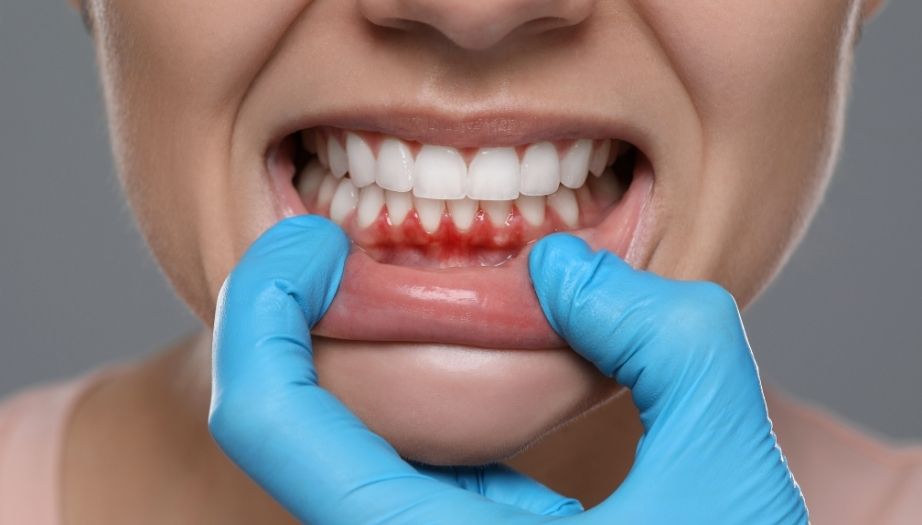
Bleeding gums are a symptom that many people experience from time to time—but often ignore. While it may seem like a temporary issue during brushing, this sign can point to more serious problems. Gum diseases and certain systemic conditions often reveal themselves in this way.
In this article, we’ll address the questions of why bleeding gums occur, when they may be dangerous, how they are treated, and what preventive steps you can take. We recommend reading this guide carefully to protect your oral health and take timely action.
What Is Gum Bleeding and Why Does It Matter?
Gum bleeding is a clinical symptom caused by inflammation, trauma, or infection that makes the gums more sensitive to external stimuli. It is often noticed while brushing or flossing. Healthy gums don’t bleed easily—so bleeding is one of the earliest signs that something is wrong.
Although it’s quite common, gum bleeding is often overlooked. However, it can be a sign not only of local irritation but also of systemic conditions or progressive gum disease. Oral health is a reflection of overall health, and early diagnosis plays a critical role in preventing permanent damage and tooth loss.
What Is Gum Bleeding and Why Is It Important?
Gum bleeding occurs due to inflammation, infection, or increased vascular sensitivity in the gum tissue. Although it may seem mild and pass quickly—especially after brushing—the underlying causes should always be evaluated.
Despite being widespread, bleeding gums are often underestimated. However, they offer key insights not only into oral health but also into general health. They may be an early sign of periodontal disease and, if left untreated, can lead to tooth loss. Bleeding gums can also be an early warning of systemic illnesses like diabetes.
Common Causes of Gum Bleeding
Gum bleeding does not result from a single cause; it typically arises from a combination of multiple factors. The most common causes include inflammation, poor oral hygiene, hormonal changes, and systemic diseases. Let’s explore the most frequent reasons below.
Periodontal Diseases
Periodontal diseases are infections and inflammations of the tissues surrounding the teeth. They may begin silently but can lead to serious damage over time.
-
Gingivitis: The early stage of gum inflammation, caused by bacterial plaque buildup. Symptoms include redness, swelling, and tenderness in the gums—bleeding is the most prominent sign.
-
Periodontitis: Develops when gingivitis is left untreated. It leads to bone loss, gum recession, and tooth mobility. Without treatment, it may result in tooth loss.
-
Tooth sensitivity: As periodontal disease progresses, gum recession exposes the tooth roots, increasing sensitivity and making bleeding more noticeable during brushing.
Gum Recession
Gum recession occurs when the gum tissue pulls away from the tooth root. This leads not only to cosmetic issues but also to functional problems.
-
Mechanical trauma: Using hard-bristled toothbrushes or brushing too aggressively can damage the gums, causing recession and bleeding.
-
Exposed roots: As the gums recede, the root surfaces become vulnerable to external stimuli and more prone to bleeding.
Hormonal Changes
Hormonal fluctuations can affect gum tissue, especially in women. These changes make the gums more sensitive and prone to bleeding.
-
Pregnancy gingivitis: During the second trimester, increased estrogen levels may lead to gum swelling and bleeding. If left untreated, it may progress.
-
Birth control pills: Hormone-containing pills can dilate blood vessels in the gums, increasing the risk of bleeding.
Vitamin Deficiencies
Vitamins are essential for immune defense and tissue repair. Their deficiencies directly impact gum health.
-
Vitamin C deficiency: Reduces collagen production and weakens connective tissue, causing gums to bleed more easily and heal more slowly.
-
Vitamin K deficiency: Disrupts blood clotting mechanisms, leading to excessive bleeding even with minor trauma like brushing.
Diabetes and Chronic Diseases
Systemic diseases, particularly diabetes, can negatively impact gum health by weakening the immune system and increasing susceptibility to infection.
-
Microvascular damage: In individuals with diabetes, increased vascular permeability can lead to gum swelling and bleeding.
-
Immunosuppression: Conditions like HIV and leukemia compromise immune function, making the gums more vulnerable to infection. Bleeding may be an early sign of such conditions.
Poor Oral Hygiene
One of the most common and preventable causes of gum bleeding is poor oral hygiene. Without proper care, gum health deteriorates rapidly.
-
Plaque and tartar buildup: Bacterial plaque accumulates on the teeth and hardens into tartar over time. This triggers inflammation and leads to bleeding.
-
Importance of regular cleaning: Brushing twice daily, using dental floss, and cleaning between the teeth are essential steps to prevent gum disease.
Diagnostic Methods for Gum Bleeding
To identify the underlying cause of gum bleeding, a detailed clinical evaluation is essential. The dentist performs an initial examination based on the patient’s medical history and oral hygiene habits. Visible signs of inflammation, gum color, and bleeding points help guide the diagnostic process.
Key tools used in diagnosis include periodontal pocket depth measurement and radiographic imaging. Periapical or panoramic X-rays help detect bone loss. Additionally, systemic factors such as anticoagulant use, diabetes, or vitamin C deficiency must be considered. Accurate identification of the cause is critical for effective treatment.
Treatment Methods for Gum Bleeding
Addressing gum bleeding requires a focus on the underlying causes, not just the symptoms. The treatment plan depends on the severity of inflammation, extent of disease, and the patient's overall health. Clinical procedures should be supported by consistent at-home care.
Professional Cleaning and Plaque Control
The first step in treatment is removing plaque and tartar buildup, typically completed in a single session:
-
Scaling: Hardened plaque (tartar) on tooth surfaces is removed using ultrasonic devices, allowing gum tissue to begin healing.
-
Regular Checkups: Professional cleaning every six months helps prevent tartar reformation and stops inflammation from becoming chronic.
Deep Cleaning (Curettage)
For advanced gum disease, cleaning must extend to the tooth root surfaces under local anesthesia:
-
Root Planing: Smooths microscopic irregularities on root surfaces to reduce bacterial adherence and speed up healing.
-
Removal of Infected Tissue: Inflammatory tissue within gum pockets is eliminated, reducing pocket depth and controlling infection.
Surgical Interventions
If curettage is insufficient, surgical options may be necessary and are performed by a periodontist:
-
Flap Surgery: Gum tissue is surgically lifted to access and clean the underlying bone and root surfaces, then repositioned with stitches.
-
Grafting Procedures: Soft tissue or bone grafts are used in cases of gum recession or bone loss, restoring both function and aesthetics.
Effective At-Home Measures for Gum Bleeding
In addition to clinical treatments, maintaining consistent oral hygiene and lifestyle habits at home plays a vital role in managing gum bleeding. With proper care, nutrition, and preventive strategies, gum health can be improved and future bleeding episodes minimized.
Oral Hygiene Practices
The foundation of gum health is proper, regular oral care using gentle techniques and suitable products:
-
Use of a Soft-Bristled Toothbrush: Hard bristles may damage gums; soft ones clean effectively without triggering bleeding.
-
Flossing: Dental floss or interdental brushes help prevent plaque buildup between teeth, reducing inflammation risk.
Nutrition and Vitamin Supplementation
Adequate intake of specific vitamins and minerals is necessary for tissue repair and immune support:
-
Rich in Vitamins C and K: Vitamin C strengthens connective tissues; vitamin K supports proper clotting. Deficiencies can lead to bleeding.
-
Antioxidant-Rich Foods: Leafy greens, fruits, and legumes reduce inflammation and support gum tissue health.
Lifestyle Modifications
Certain lifestyle habits directly harm gum health. Eliminating or reducing them speeds up recovery:
-
Quit Smoking: Tobacco restricts circulation in the gums and delays healing. Quitting enables rapid tissue regeneration.
-
Reduce Alcohol Intake: Excessive alcohol can dry and irritate oral tissues, increasing bleeding.
When Is Gum Bleeding a Sign of a Serious Health Issue?
In some cases, gum bleeding is not just due to poor hygiene but may signal a more serious health condition. Persistent or spontaneous bleeding should be evaluated carefully, as it may be an early sign of systemic disease.
If bleeding is accompanied by symptoms such as loose teeth, gum recession, or chronic bad breath, immediate attention is needed. Advanced gum disease can lead to bone loss. Additionally, conditions like diabetes or blood clotting disorders may present with similar symptoms. Early diagnosis is key to preventing tooth loss and systemic complications.
When to See a Dentist for Gum Bleeding
If gum bleeding persists for more than a few days or occurs every time you brush, a professional evaluation is necessary. These signs could indicate the onset or progression of gum disease.
Seek dental care promptly if you experience bleeding for over 7 days, notice frequent bleeding during flossing, or wake up with a metallic taste in your mouth. Early intervention allows for less invasive treatment and helps prevent complications.
Common Misconceptions About Gum Bleeding
There are many misconceptions about gum bleeding that can lead to delayed treatment or harmful habits. For example, some believe, "If my gums bleed, I should brush less." In reality, this worsens plaque buildup and aggravates the problem.
Other false beliefs include "only aggressive brushing causes bleeding" or "mouthwash alone is enough." Gum bleeding is not an inevitable part of aging but a treatable condition that deserves attention.
How to Prevent Gum Bleeding
To prevent gum bleeding, protective measures should become a part of daily life. Oral care should be consistent—not only when problems arise.
Daily Oral Care Habits
Proper technique is just as important as frequency when it comes to brushing and hygiene:
-
Brushing with the Right Technique: Hold the toothbrush at an angle and brush gently in circular motions to remove plaque without harming the gums.
-
Use of Antiseptic Mouthwash: Mouthwashes containing chlorhexidine can reduce oral bacteria and help control inflammation.
Regular Dental Checkups
Professional evaluations support both early diagnosis and long-term prevention:
-
Biannual Visits: Dental scaling, periodontal probing, and gum evaluations should be done every six months.
-
Personalized Care Plans: Everyone's gum structure is different. Your dentist can offer individualized guidance to optimize your oral health.
Taking Gum Bleeding Seriously Protects Your Oral and Overall Health
Ignoring gum bleeding can lead to gum disease, tooth loss, and even systemic health problems over time. This symptom is not merely a minor irritation in the mouth—it can be a critical warning from your body. Simple measures taken early can help prevent more serious complications.
Proper oral hygiene, a balanced diet, avoiding harmful habits, and regular dental checkups are key to maintaining healthy gums. If your gums are trying to tell you something, don’t ignore the signal. Take action today to identify the cause of the bleeding and protect your healthy smile.
Start your online doctor consultation now by downloading the Happ Health app:
Wondering about something on this topic? Ask Happ AI
Frequently Asked Questions
Related Articles
Get expert support for your health
Meet online with specialist doctors and health professionals for support tailored to you.