
Expressing Emotions: Why It Matters and How to Do It
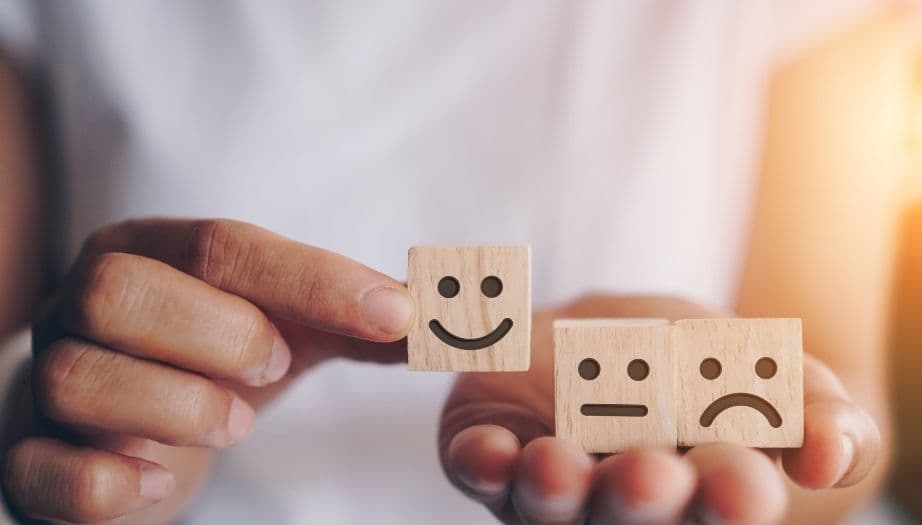
Expressing emotions is not only about saying what we feel. It is also one of the fundamental ways of understanding ourselves, staying in touch with our inner world, and developing healthier relationships with others. In daily life, we experience many emotions such as happiness, anger, sadness, anxiety, resentment, or disappointment. Recognizing these emotions and expressing them appropriately plays an important role in maintaining emotional balance.
People who can express their emotions are more likely to recognize their own needs clearly and build more open and secure communication in their relationships. In contrast, constantly suppressing emotions may over time become associated with inner tension, stress, anxiety, and relationship problems. In this article, we will discuss why expressing emotions is important, why it can be difficult, and how you can do it in a healthier way in daily life.
What Are Emotions and Why Are They Important?
Emotions are an inseparable part of the human experience. They help us understand how we make sense of what we go through, what we need, and how we relate to our environment. Emotions such as happiness, sadness, anger, fear, disappointment, and hope are not only momentary reactions; they are also powerful signals carrying information about our inner state.
Emotions are decisive in many areas, from decision-making processes to social relationships. Feeling anger when a boundary is violated, sadness when there is a loss, or fear when a threat is perceived is actually part of the natural functioning of the psychological system. For this reason, trying to understand emotions instead of suppressing them is important for both personal development and healthy relationships.
Benefits of Expressing Emotions
Expressing emotions may help a person lighten their psychological burden and understand their inner experience more clearly. Identifying and sharing what one feels may reduce emotional pressure and create mental relief. Especially during periods of intense stress, putting emotions into words may contribute to a person feeling more organized and understood.
Emotional expression does not only provide individual relief. It can also strengthen social bonds. When a person shares emotions openly and in a healthy way, mutual empathy and understanding may develop. This may help create deeper, safer, and more sustainable communication in relationships.
Effects on Mental Health
Expressing emotions may have important effects on mental health. Suppressed emotions may increase inner tension over time, and this may prepare the ground for problems such as anxiety, low mood, or emotional exhaustion. In contrast, individuals who recognize and appropriately express their emotions may tend to cope with their experiences in a healthier way.
Emotional expression contributes to a person understanding themselves better and regulating their inner world. This process may also support psychological resilience. Especially in the face of stressful life events, staying in touch with emotions may increase a person’s emotional flexibility.
Emotional Relief and Stress Reduction
Expressing emotions may help lighten mental burden. Constantly suppressing emotions such as resentment, anger, sadness, or anxiety may over time turn into accumulated stress. On the other hand, naming the emotion and expressing it safely may support a sense of relief.
Talking to someone else, writing, or bringing emotions out through creative means may provide psychological space. This sense of relief may positively affect not only that moment but also long-term stress coping capacity.
Empathy and Building Connection
When emotions are expressed clearly, the bond between people may become stronger. Individuals who can share what they feel honestly yet in a balanced way create more room for the other person to understand them. This may help reduce misunderstandings in relationships and support a stronger emotional connection.
Empathy often begins when emotions become visible. When a person can share their inner experience, the other person may become more open to understanding them. For this reason, emotional expression is an important part of healthy communication and deep relationships.
Why Is Suppressing Emotions Harmful?
Suppressing emotions may seem to help a person continue functioning in the short term. However, in the long term, it may create psychological and physical burden. Unexpressed emotions may create internal pressure over time, and the person may have difficulty understanding what they feel or realizing why they are struggling.
Suppressed emotions may affect not only emotional balance but also relationships. A person who does not share emotions may appear distant to others, which may lead to communication problems and loss of trust. In addition, constantly staying under stress may also be associated with physical outcomes such as bodily tension and fatigue.
Why Do We Struggle to Express Emotions?
Expressing emotions may not always be easy. Some individuals may have learned from childhood not to show their emotions. Others may think that if they express their emotions, they will be judged, misunderstood, or seen as weak. This may suppress emotional expression over time.
In addition, difficulty identifying emotions is also an important factor. Not everyone notices what they feel with the same clarity. When emotional awareness is not developed, the process of expression may also become difficult. Anxiety, self-judgment, and social norms are other important issues that affect this process.
Self-Judgment and Anxiety
Individuals who struggle to express their emotions often experience intense anxiety about how they will be perceived. Thoughts such as “Will this be seen as exaggerated if I say it?”, “Will they think I am weak?” or “Will I be misunderstood?” may make it difficult for a person to open up.
Negative judgments toward oneself may interrupt the natural flow of emotions. A person may find it safer to suppress what they feel. However, this may increase inner tension over time and make healthy communication more difficult.
Lack of Emotional Awareness
Emotional awareness is the ability to recognize what one feels and make sense of it. Some people may experience emotions intensely but may not be able to name them clearly. In this case, expressing them also becomes difficult because the person may not be able to distinguish exactly what they are going through.
Lack of emotional awareness may become more visible especially during periods of intense stress. Instead of noticing that they are angry, sad, or anxious, a person may simply think they feel tense or tired. For this reason, recognizing emotions is one of the basic steps of expressing them.
Social and Cultural Barriers
In some social and cultural structures, openly expressing emotions is not encouraged. Especially emotions such as anger, vulnerability, fear, or crying are evaluated through certain patterns. This may make it difficult for individuals to show their emotions naturally.
Messages from society such as “be strong,” “do not show it,” or “do not exaggerate” may be internalized over time. Individuals raised in such an environment may learn to suppress rather than express emotions. This may increase internal conflicts and weaken the person’s connection with themselves.
What Is a Person Called Who Cannot Express Their Emotions?
People who have difficulty expressing emotions may generally be described as emotionally suppressed, emotionally strained, or individuals whose emotional expression skills are underdeveloped. This is not only an area of labeling but often the expression of a difficulty the person is experiencing.
Individuals who cannot express their emotions may be misunderstood in relationships, may be perceived as distant, or may feel lonely inside. In the long term, this may become associated with stress, anxiety, emotional disconnection, and relationship problems. For this reason, it is important to notice the difficulty and seek support when necessary.
What Are the 5 Basic Principles of Emotional Intelligence?
Emotional intelligence is related to a person’s ability to recognize, understand, and manage both their own emotions and the emotions of others. As emotional intelligence develops, healthier relationships may be formed, coping with stress may become easier, and the connection a person has with themselves may become stronger.
The basic principles of emotional intelligence support not only social relationships but also the person’s ability to build inner balance. For this reason, emotional intelligence is closely related to the capacity to express emotions.
Emotional Awareness
It is the ability to recognize one’s own emotions and the emotions of others. Understanding what one feels is the first step of healthy emotional expression.
Emotional Management
It is the ability to regulate one’s emotions in a balanced way without suppressing them. This supports healthier processing of emotions rather than uncontrolled emotional overflow.
Empathy
It is the capacity to understand what others feel and respond accordingly. Empathy is one of the important components of building deep and secure relationships.
Relationship Management
It is the ability to build and maintain healthy relationships and handle conflicts constructively. Emotional expression is at the center of this process.
Motivation
It is the ability of a person to manage their inner state, goals, and behaviors. Staying in touch with emotions may contribute to motivation becoming more sustainable.
Effective Ways to Express Emotions
There is no single correct way to express emotions. Each individual’s way of opening up, area of safety, and style of communication may differ. What matters is developing healthy ways through which you can express emotions without suppressing them and without causing harm.
Some people feel relieved by talking, some by writing, and some express themselves better through creative means. The aim here is to notice emotions and be able to bring them out safely instead of denying them.
Identify and Accept Your Emotions
The first step in expressing emotions is recognizing them. A person must first understand what they feel. Are they experiencing resentment, feeling anger, or actually feeling fear? Being able to make this distinction makes expressing the emotion in a healthier way easier.
It is important not only to recognize the emotion but also to accept it without judgment. Instead of saying “I should not feel this,” being able to say “I am feeling this right now” makes the emotional process healthier.
Communicate Openly and Clearly Using I-Statements
Using I-statements while expressing emotions may make communication more constructive. In this approach, the person expresses their own feeling and need instead of blaming the other person. In this way, defensiveness may decrease and mutual understanding may increase.
For example, instead of saying “You never listen to me,” saying “I feel hurt when I feel unheard while talking” provides clearer and more balanced communication. This method helps deliver emotional expression in a constructive way without softening it too much.
Share Your Emotions with People You Trust
Sharing emotions in a safe relationship contributes both to the person’s relief and to feeling understood. Talking with someone you trust may lighten the inner burden and make it easier to make sense of what you are experiencing.
You do not have to share every emotion with everyone. What matters is building contact with people who can listen without judging you and can make room for your emotions. Such a support network may strengthen emotional resilience.
Express Your Emotions Through Art and Creativity
Sometimes it may be difficult to put emotions into words. In such cases, art and creativity may offer a powerful area of expression. Writing, painting, engaging with music, or turning toward different creative production areas may make it easier for emotions to come out.
Artistic expression not only provides relief but may also help the person notice their own emotions more clearly. For this reason, creative ways are among the effective tools in the process of emotional expression.
Keep an Emotion Journal
Keeping an emotion journal is one of the effective methods for making sense of inner experiences. Writing down which emotions the events you experience during the day create in you may increase awareness and make it easier to see emotional patterns.
Writing also allows the person to create space for themselves. Especially for individuals who have difficulty sharing emotions with others, keeping a journal may be a safe starting point. This habit may improve emotional expression skills over time.
Seek Professional Support If Needed
In some cases, a person may struggle to understand, regulate, or express emotions on their own. At this point, getting professional support may be an important and healthy step. Psychological support may help the person recognize emotional patterns and express themselves more safely.
Therapists may guide a person in understanding the origins of emotions, recognizing self-judging thoughts, and developing new ways of expression. For this reason, seeking expert support when needed is not a sign of weakness but of awareness.
How Does Expressing Emotions Support Psychological Resilience?
Psychological resilience is the capacity to adapt and rebuild balance in the face of difficult life events. Individuals who recognize and express their emotions may process their experiences in a healthier way. This contributes to increasing inner flexibility in the face of difficulties.
Emotional expression may strengthen a person’s ability to cope with stress. It may also increase self-confidence, self-respect, and the capacity to seek social support. For this reason, staying in touch with emotions is one of the important foundations of psychological resilience.
Techniques You Can Apply in Daily Life to Express Your Emotions
Expressing emotions is a skill that develops with practice. Taking small but regular steps in daily life may help a person feel more comfortable in this area. It is not necessary to be perfect at emotional expression; what matters is trying to build more honest and aware communication.
Supportive techniques that may be applied in daily life include:
- Asking yourself what you are feeling during the day
- Trying to name the emotion
- Communicating with I-statements
- Relaxing through writing
- Creating a regular sharing space with someone trusted
- Seeking professional support if needed
These techniques may help experience emotions in a healthier and more balanced way instead of suppressing them.
Conclusion: Why Is It Important to Express Your Emotions Clearly?
Expressing your emotions clearly is highly important for both your mental health and your relationships. Although suppressing emotions may seem easier in the short term, in the long term it may become associated with stress, inner tension, and communication problems. In contrast, noticing, accepting, and expressing emotions through appropriate ways may contribute to building healthier emotional balance.
To understand yourself better, build stronger social bonds, and support your psychological resilience, it is important to make room for emotional expression. Every emotion has meaning. What matters is noticing that emotion without judgment and expressing it in a way that suits you.
Online Psychologist Support with Happ Health
Having difficulty expressing emotions may over time affect relationships, self-esteem, stress levels, and overall quality of daily life. If you struggle to understand what you feel, share your emotions, or manage your inner emotional burden, getting professional support may help make the process healthier.
With Happ Health online psychologist support, you can more easily access expert guidance on emotional awareness, self-expression, stress management, relationship difficulties, and coping with emotional burdens. By receiving psychological support from wherever you are and at times that suit you, you can begin to understand yourself better and express your emotions in a healthier way.
Wondering about something on this topic? Ask Happ AI
Frequently Asked Questions
Related Articles
Get expert support for your health
Meet online with specialist doctors and health professionals for support tailored to you.