
What Is Root Canal Treatment and How Long Does It Take?
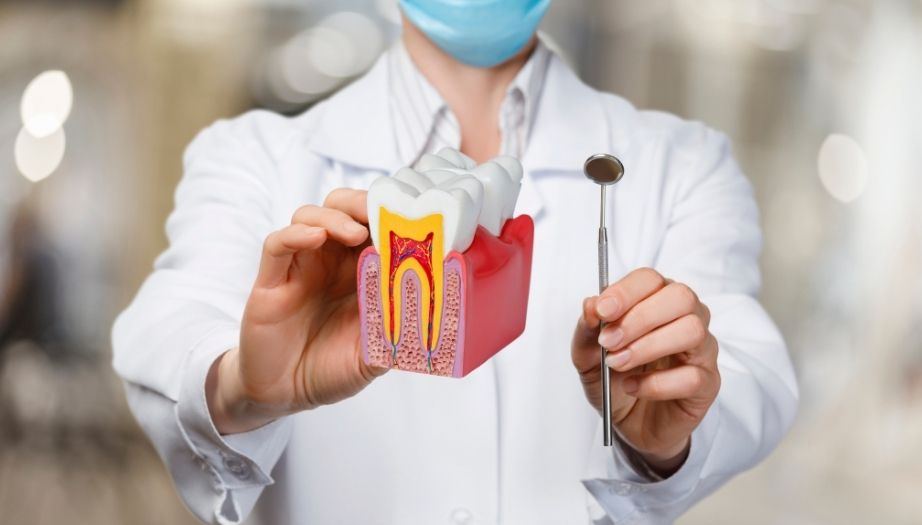
A sudden toothache can significantly lower your quality of life. If sensitivity triggered by hot or cold turns into a throbbing pain, the solution is often root canal treatment. This procedure aims to save the tooth by cleaning out the infected internal tissue.
With advanced anesthesia techniques, root canal treatment can now be performed painlessly. It not only relieves pain but also preserves the natural structure of the tooth, ensuring long-term oral health. So, in which cases is this procedure necessary, and what does it involve?
When Is Root Canal Treatment Needed?
Root canal treatment is performed when the pulp—the nerve and blood vessel tissue inside the tooth—becomes damaged. Once the inner structure is infected, it must be cleaned and filled. Otherwise, the infection can spread and lead to tooth loss.
This treatment isn’t just for cavities—it’s also necessary in cases of trauma, cracks, or abscesses. The goal is to preserve the tooth’s natural function and prevent the infection from spreading.
Why is it important when decay reaches the pulp?
When the pulp becomes infected, the tooth loses vitality:
-
Pain, inflammation, and infection spreading to the bone may occur.
What are the signs of pulp damage due to trauma?
Certain symptoms indicate trauma-related pulp injury:
-
Tooth discoloration
-
Prolonged sensitivity
-
Sudden, sharp pain
How do abscesses and cysts relate to the root canal system?
If the infection is left untreated, it can reach the root tip:
-
Leads to abscess formation
-
May cause cysts and bone loss
Why is it important to keep a traumatized or infected tooth functional?
Saving the natural tooth helps preserve multiple functions:
-
Chewing ability
-
Aesthetics
-
Jaw structure
-
Root canal offers a tooth-saving solution without extraction
Is every case suitable for root canal treatment?
In some cases, treatment may not be successful:
-
Severely damaged or fractured teeth may not respond
-
Surgical intervention or extraction might be necessary
Is Root Canal Treatment Painful?
Today, root canal therapy is much more comfortable thanks to advanced anesthesia and precision tools. While once known as a painful procedure, most patients now feel no pain during treatment.
The Role of Local Anesthesia
Local anesthesia is the most important tool for patient comfort. It is used to prevent any pain during the procedure:
-
Primary function: Completely block pain signals
-
Comfort for the patient: Prevent stress and panic during treatment
-
Pre-treatment explanation: Builds trust between patient and dentist
Pain During and After Treatment
There is no pain during the procedure itself. However, slight sensitivity may occur after treatment. This is usually short-term and manageable:
-
Post-treatment sensitivity: Mild pain is normal
-
Medication use: Analgesics are often sufficient
-
Complications: Extended pain, inflammation, or rare cases needing intervention
Painless Root Canal with Modern Techniques
Thanks to next-generation technology, root canal procedures are now faster and more effective. This significantly enhances patient comfort and reduces treatment time.
-
Laser-assisted cleaning: Minimal damage to surrounding tissue
-
Electronic apex locators: High precision in determining root length
-
Ultrasonic instruments: Faster and more efficient cleaning
How Many Sessions Does Root Canal Treatment Take?
The duration of root canal treatment may vary depending on the condition of the tooth and the extent of the infection. While simple cases may be completed in a single session, others might require multiple visits. The total time is directly related to the techniques used and the patient’s adherence to the treatment plan.
Purpose and Process of the First Session
The first session begins by cleaning the infected tissues inside the tooth. This step lays the foundation for treatment and prepares the area for subsequent procedures:
-
Pulp cleaning: Removal of infected tissue
-
Temporary filling: Prevents bacteria from re-entering the canal
-
Antiseptic application: Begins the sterilization process
Second Session and Permanent Filling
In the second session, the root canal is sealed to protect the tooth long-term. This phase is critical to ensure the success of the treatment:
-
Filling the canal: Sealing with gutta-percha
-
Preparation for permanent restoration: A filling or crown is placed
Complex Cases
Some teeth may require more sessions. Multi-rooted teeth and chronic infections often require more comprehensive care:
-
Multi-rooted teeth: May increase the length of treatment
-
Chronic infections: May require follow-up and antibiotics
-
Surgical scenarios: Apical resection may be needed
Success Rate and Long-Term Outcomes of Root Canal Treatment
When performed properly, root canal treatment has a success rate of over 90%. This high rate depends on both the technical quality of the procedure and the patient’s oral hygiene. A well-planned and fully completed treatment can preserve the tooth for many years.
What factors increase success rates?
Clinical and personal practices play a critical role in success:
-
Sterile technique
-
Proper filling material
-
Good oral hygiene
Under what conditions does reinfection risk increase?
Some factors can allow the infection to return:
-
Incomplete cleaning
-
Leaky filling
-
Missed follow-ups
How long can a properly treated tooth last?
With proper care, the treated tooth can last for many years:
-
10 years or more is possible with good hygiene
When is retreatment needed?
If certain symptoms reappear, retreatment may be necessary:
-
Pain, sensitivity, or swelling around the tooth
How does oral hygiene affect long-term outcomes?
Daily oral care directly affects the success of treatment:
-
Brushing twice a day
-
Using dental floss
-
Attending regular dental checkups
What to Pay Attention to After Root Canal Treatment
The success of root canal treatment depends on post-treatment care. The tooth may feel sensitive in the first few days, so dietary and hygiene habits should be handled with care.
Things to do and avoid in the first 24 hours
After treatment, it’s important to avoid certain foods and behaviors:
-
Avoid hot/cold drinks, hard foods, and pressure
-
Brush the treated tooth gently
Why should pressure on the tooth be avoided?
The treated area is still healing and can respond poorly to pressure:
-
Pressure can increase pain or irritation
When can you start eating hard foods again?
Only after the permanent filling or crown is placed:
-
Introduce hard foods gradually
Recommended care for healing gums and surrounding tissue
Proper care helps support tissue recovery after treatment:
-
Rinse with warm saltwater
-
Use a soft-bristled toothbrush
-
Antibacterial mouthwash may be helpful
Timing for follow-up and permanent restoration
Timely follow-up prevents complications:
-
A control visit is usually done within 1 week
-
Permanent filling should be completed as soon as possible
Don’t Delay in Protecting Your Teeth
Root canal treatment is one of the most effective ways to save a painful or infected tooth. With modern technology, the procedure is now both efficient and comfortable. If you want to keep your natural tooth without extraction, early treatment is essential.
Delaying care can lead to tooth loss and further complications. If you're experiencing persistent pain, sensitivity to temperature, or discomfort due to decay, consult your dentist about root canal treatment. Early intervention protects both your teeth and your overall health.
Start your online doctor consultation now by downloading the Happ Health app:
Wondering about something on this topic? Ask Happ AI
Frequently Asked Questions
Related Articles
Get expert support for your health
Meet online with specialist doctors and health professionals for support tailored to you.